What Do You Want?

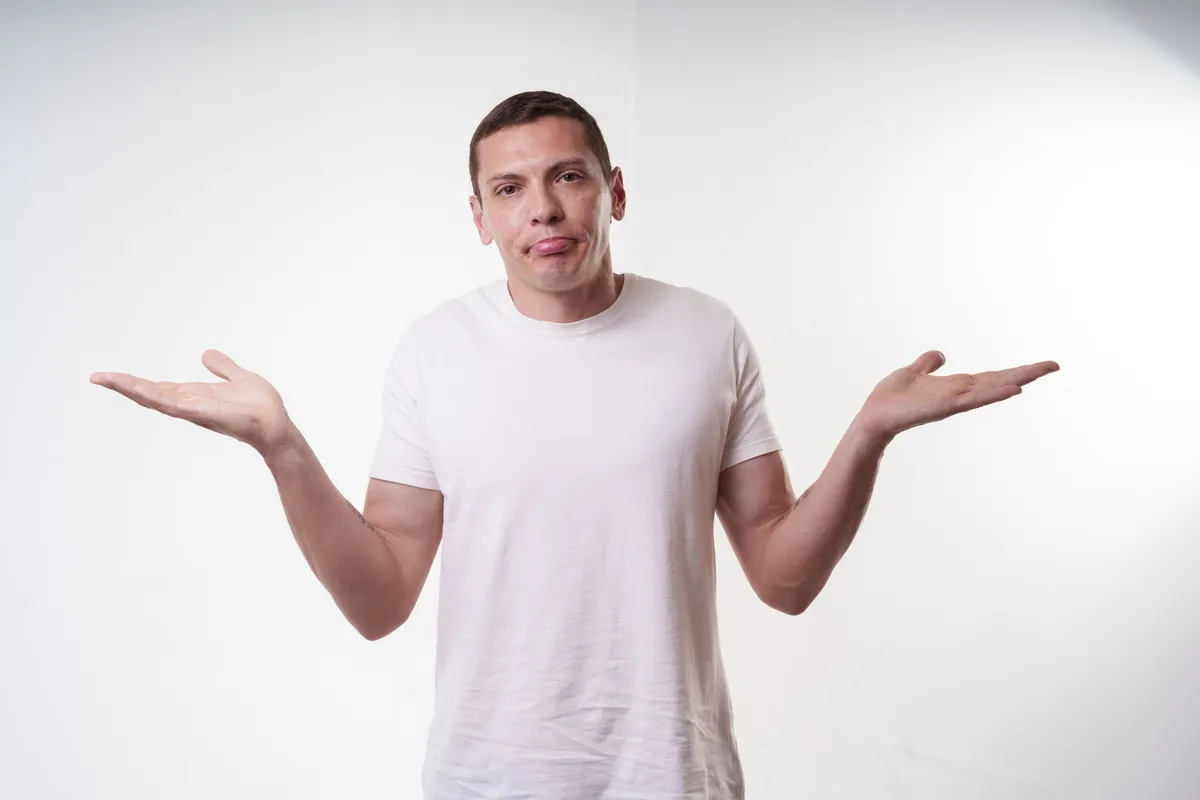
Seems like a simple question. Yet for people in recovery, it can be surprisingly difficult to answer. There are several reasons for this. One is shame. During active addiction, many of us hurt people, broke promises, and caused damage we later regretted. Now that we're in recovery, do we even deserve what we want? Shouldn't we just be grateful for what we have?
Another reason goes deeper. Before addiction, many of us were already struggling with internal distress, often rooted in shame, the belief that something is wrong with us. Addiction became a strategy for managing feelings we didn't know how to face. Recovery often began when the consequences of that strategy caused more distress than it relieved.
But addiction was rarely our only strategy. It was simply the one that worked best until it didn't. When we remove it, the shame, fear, hurt, or anger it was managing doesn't necessarily disappear. Either we address that distress or we find other ways to manage it.
For many of us, those other strategies involve managing people and circumstances. We try to avoid criticism, keep others happy, prevent conflict, and make sure nobody sees what we're afraid to reveal. Control and manipulation can look like compliance, accommodation, and people-pleasing. We may become so practiced at anticipating what others want that we lose touch with our own desires. What do I want for dinner? I don't know. I just don't want anyone to be disappointed.
Ask someone in recovery what they want, and they may struggle. Ask what they don't want, and the answers often come easily. Try it. Write down ten things you don't want in your life. Here's my list:
I don't want to be misunderstood.
I don't want to be around loud noises.
I don't want to be lied to.
I don't want to be manipulated.
I don't want to do what I don't want to do.
I don't want to be idle.
I don't want to be criticized.
I don't want disconnection.
I don't want conflict.
I don't want to feel shame.
Now look at each statement and ask, "If this is what I don't want, what does it tell me about what I do want?" At first, we may simply reverse the wording. "I don't want to be misunderstood" becomes "I want to be understood." But this still depends on someone else behaving differently. What if being misunderstood no longer threatened my sense of worth? I might want to express myself openly, enjoy meaningful connection, and trust myself even when someone disagrees with me.
Consider "I don't want to be criticized." If criticism activates shame, I may defend myself or work harder to earn approval. But what I really want may be the confidence to receive feedback, learn from mistakes, and remain comfortable with who I am.
Or take "I don't want to be idle." Perhaps staying busy protects me from feeling worthless. What I want isn't necessarily more productivity. It may be the freedom to do meaningful work and enjoy rest without guilt.
Notice the shift. Instead of imagining how to prevent unpleasant experiences, we're beginning to identify how we'd like to live. We can also become curious about the protective strategies that have kept us preoccupied with what we don't want. When we understand the concerns driving those strategies and begin addressing them, our choices no longer need to be governed by fear.
In the Compassionate Recovery Project, I describe three layers of recovery: recovery from addiction and its consequences; recovery from what addiction was managing; and recovery of our true selves. That third layer opens the possibility of a FIT Life, one that is Fulfilling, Intentional, and True.
Return to your list. For each item, consider what you're afraid might happen, then imagine what you'd want if you no longer had to organize your life around preventing it. Notice any doubts or fears that arise without trying to silence them. They may point toward the concerns that need your attention. Recovery may begin with knowing what we want to stop. Deeper recovery invites us to discover what we want to live for.